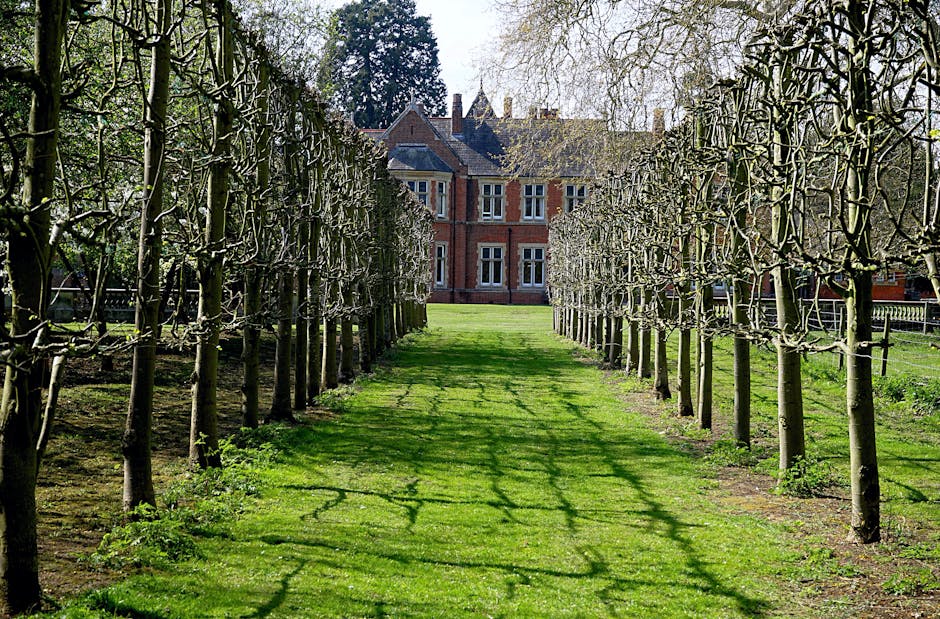
Garden maintenance experts for Eastcote House Gardens homes
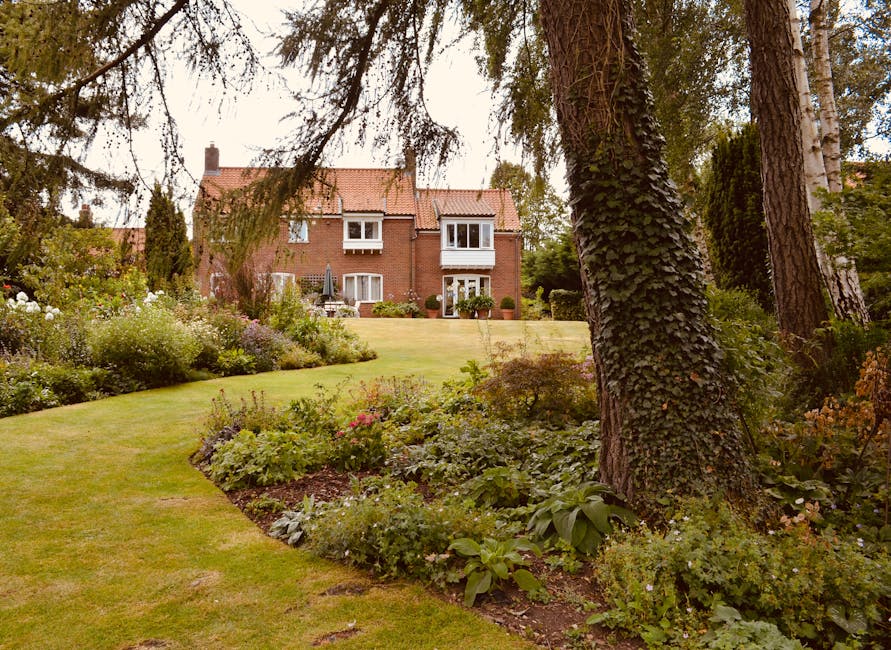
Homes around Eastcote House Gardens deserve more than a quick mow and the odd tidy-up. They need thoughtful, consistent care that keeps borders balanced, lawns healthy, hedges controlled, and the whole garden looking like it belongs to the house, not like it has been left to get on with things on its own. That is where Garden maintenance experts for Eastcote House Gardens homes make a real difference.
In this guide, we will look at what expert garden maintenance actually involves, why it matters in a local setting, how the process works, and what to watch out for if you want your outdoor space to stay attractive through every season. Whether your garden is a compact family space, a mature plot with established planting, or a front garden that needs to make a good first impression, the same principle applies: regular, skilled maintenance saves time, money, and a lot of hassle.
And yes, it also saves you from that familiar Saturday feeling where you look outside, sigh, and think, "Right then... where do I even begin?"
Why Garden maintenance experts for Eastcote House Gardens homes Matters
Gardens in and around Eastcote House Gardens often face a mix of conditions that make routine care more important than it first appears. You may have mature shrubs that need shaping, shaded sections where moss creeps in, windy corners that stress planting, or boundaries that need privacy without turning the garden into a green wall. It is not one problem. It is a chain of them, and they tend to show up at the same time. Lovely.
Expert maintenance matters because gardens are living systems. If one area starts to fail, it often affects the rest. A lawn that is left too long can become patchy. Unchecked hedges block light. Weeds steal moisture and nutrients from beds. Ivy or climbers that are not managed can begin to damage surfaces or overwhelm weaker planting. A skilled gardener spots these issues early and keeps them from becoming expensive jobs later.
For homes near Eastcote House Gardens, appearance also matters. Outdoor space contributes to how a property feels from the road, how it functions for family life, and how much enjoyment you get from it day to day. A tidy, healthy garden is not just decorative. It is easier to use, easier to clean, and much calmer to live with.
Expert summary: good garden maintenance is less about "making it look neat" and more about keeping the whole outdoor space working properly through the seasons.
If your garden has become a bit of a mixed bag - some good bits, some wild bits, and one corner you avoid looking at - that is usually the point where structured help starts to pay off. You can learn more about the broader approach through the garden maintenance service and related gardening services.
How Garden maintenance experts for Eastcote House Gardens homes Works
Professional garden maintenance usually starts with an assessment rather than a mower. That may sound obvious, but it is the difference between a quick tidy and a proper result. A good gardener looks at the garden as a whole: lawn condition, hedge growth, planting health, weed pressure, drainage, access, hard landscaping, and seasonal timing.
From there, the work is broken into manageable tasks. In practical terms, that might include mowing, edging, hedge trimming, pruning, weeding, deadheading, feeding, clearing leaves, checking for pests or disease, and keeping patios, paths, or decking presentable. If a garden needs more than maintenance - say, soil improvement, reshaping, or boundary work - it can be paired with landscaping, fencing, or tree surgery where appropriate.
The process is usually straightforward:
- Inspect the space and identify priorities.
- Create a maintenance plan based on the season and garden condition.
- Carry out the scheduled work with the right tools and techniques.
- Review problem areas such as patchy grass, overgrown hedges, or stubborn weeds.
- Repeat consistently so issues do not build up again.
That last point is the one people underestimate. One-off tidy-ups can help, of course, but consistency is what keeps a garden stable. It is a bit like cleaning the kitchen while cooking rather than waiting until the end. Easier, calmer, and far less grim.
For homeowners who want a more tailored service, it often makes sense to combine routine care with targeted help such as lawn mowing in Eastcote, lawn care, or hedge trimming in Eastcote.
Key Benefits and Practical Advantages
There are plenty of reasons to bring in experts, but the strongest ones are practical rather than glamorous. The main benefit is that the garden becomes easier to live with. That sounds simple, yet it changes how you use the space every week.
- Healthier planting: regular pruning, feeding, and weed control support stronger growth.
- Better curb appeal: neat edges, controlled hedges, and fresh planting lift the whole property.
- Less long-term damage: early intervention prevents overgrowth, rot, and surface staining.
- Safer outdoor areas: clear paths, controlled branches, and tidy steps reduce trip hazards.
- More usable space: a maintained garden is easier for children, pets, and guests.
- Seasonal resilience: gardens handled well in spring and summer are usually easier to protect in autumn and winter.
There is also a quiet benefit that does not always get mentioned: peace of mind. When the garden is under control, you stop thinking of it as a backlog. You simply enjoy it. Morning coffee outside feels nicer. Even a grey Tuesday looks less dull when the borders are tidy and the lawn is green instead of tired.
If your outdoor space needs a fresh start, some homeowners find it helpful to pair maintenance with a bigger reset. The article on starting a garden makeover is a useful companion read for that stage.
Who This Is For and When It Makes Sense
This kind of support is not only for large properties or formal gardens. In fact, smaller gardens often benefit just as much because they show neglect quickly. A small space can go from tidy to crowded in a matter of weeks, especially in the growing season.
Garden maintenance experts are a strong fit if you:
- work long hours and cannot keep up with regular upkeep;
- have an older garden with mature hedging, shrubs, or established trees;
- want the garden to look presentable for visitors, tenants, or buyers;
- are recovering from a one-off period of neglect;
- need regular mowing, edging, and weeding but not a full redesign;
- have safety concerns around slippery paths, overgrown areas, or awkward access;
- prefer a professional eye rather than guessing what needs cutting and what should be left alone.
It also makes sense if you are trying to create a more private or family-friendly outdoor setup. A well-maintained garden can be shaped around seating areas, boundary planting, play space, or pet-friendly areas without losing its structure. If privacy is part of the brief, the guidance on fast-growing hedges for privacy is worth a look.
Truth be told, many people wait too long. They think they need a "big job" before calling anyone. Usually not. Often the smartest move is to bring in help before the garden slips into a full recovery project.
Step-by-Step Guidance
If you are deciding how to approach garden care, here is a sensible process that works for most Eastcote homes.
- Walk the garden with fresh eyes. Look for patchy grass, tangled growth, weed hotspots, overhang, and blocked paths.
- Separate maintenance from improvement. Maintenance is repeat care; improvement is where layout, planting, or structure changes happen.
- Prioritise the high-impact jobs. Usually that means lawn, hedges, borders, and access routes first.
- Match the work to the season. Spring growth, summer trimming, autumn clearance, and winter protection all need different timing.
- Use the right method for each task. For example, hedge shaping is not the same as general trimming, and ivy removal needs more care than a quick pull.
- Protect the garden while working. Good practice means avoiding unnecessary root damage, keeping tools sharp, and cleaning up properly after each visit.
- Review the result. A good finish should look natural, balanced, and easy to maintain between visits.
A practical example: if a front garden has a tired lawn, a hedge that is shading the light, and weeds edging the path, the fastest win is not to start with decorative planting. It is to restore structure first. Once the skeleton of the space is working, the softer details become much easier to manage.
For the hedge side of things, the page on hedge trimming Eastcote gives a useful sense of how that work fits into regular maintenance.
Expert Tips for Better Results
Small decisions make a big difference in garden maintenance. These are the things experienced gardeners tend to notice quickly.
- Do not cut everything at once. Some plants cope badly with hard pruning, and over-trimming can set them back for months.
- Keep soil healthy. Good compost, mulching, and sensible feeding are often more useful than constant planting swaps.
- Watch the edges. Lawn edges and border lines are tiny details, but they make a garden look cared for very quickly.
- Remove weeds early. A few minutes now saves a very annoying half-day later. We have all been there.
- Use seasonal thinking. What works in July may be the wrong move in November.
- Respect shade and wind. East-facing, shaded, or exposed gardens need different planting choices and maintenance rhythms.
- Keep clutter under control. Pots, broken canes, old labels, and half-finished projects make even a healthy garden look messy.
One overlooked tip: keep a simple note of what was done and when. If you have pruning, feeding, and mowing timed properly, the garden will usually tell you what it needs next. You start to spot the pattern after a while.
If your plot struggles with wind or uneven conditions, the blog post on managing windy garden conditions offers a helpful angle. For wetter or more exposed spots, the piece on weatherproofing a UK garden is also relevant.
Common Mistakes to Avoid
Even well-meaning homeowners can make their gardens harder to manage. It happens. Usually because the first instinct is to tidy aggressively, and sometimes that just creates new problems.
- Over-pruning hedges and shrubs: this can leave bare patches or reduce flowering later on.
- Ignoring lawn health: mowing alone is not lawn care if the grass is compacted, hungry, or full of moss.
- Letting climbers take over: ivy and vigorous climbers need regular control before they get into joints, gutters, fences, or timber.
- Using the same routine all year: winter and summer maintenance are not interchangeable.
- Forgetting safety: slippery patios, hidden debris, and unstable branches are easy to miss until someone is hurt.
- Choosing plants without considering maintenance: beautiful planting can become a chore if it does not suit your time, light, or soil.
We often see people spend ages making a bed look attractive, then leave the edges to crumble and weeds to return. It is the little maintenance gaps that quietly undo the big efforts. Rather maddening, really.
For a more detailed look at common climbing-plant issues, see effective ivy removal techniques. For plant choices in shaded or harder spots, evergreen climbers for shaded spaces can be useful too.
Tools, Resources and Recommendations
You do not need a shed full of specialist kit to maintain a garden well, but the right tools do make the work cleaner, safer, and much less tiring.
- Sharp secateurs and loppers: for clean pruning and deadheading.
- Reliable mower and edging tools: especially important for crisp lawn lines.
- Hand fork, trowel, and hoe: practical for weeding and border work.
- Rake and leaf collector: useful in autumn and after storms.
- Mulch and compost: help retain moisture and improve soil structure.
- Gloves and protective gear: simple, but worth it every time.
There are also a few service pages that fit naturally alongside maintenance planning. If the lawn is the main issue, the lawn care page and lawn mowing Eastcote page help separate routine upkeep from fuller treatment. If hard surfaces need attention, patio cleaning is a sensible add-on. For broader outdoor improvements, landscaping, decking services, fencing, and tree surgery can be relevant depending on what the garden actually needs.
If you are trying to make the most of a limited budget, it is also worth reading how to cultivate a vibrant garden on a tight budget. Small, smart choices often go further than a dramatic spend.
Law, Compliance, Standards, or Best Practice
Garden maintenance is not a heavily regulated service in the way some trades are, but there are still important standards and best practices to follow. Homeowners should expect safe working methods, sensible waste handling, and care around property boundaries, access routes, and fragile planting.
In a UK setting, professional gardeners typically work with attention to general health and safety expectations, safe tool handling, and reasonable protection for people, pets, and nearby property. If work involves ladders, power tools, large branches, or awkward terrain, the standard should be careful, methodical practice rather than speed for speed's sake.
It is also normal to look for clear policies on insurance, safety, payments, complaints, and terms before booking any service. These do not need to be dramatic documents; they just need to show that the business takes responsibility seriously. For reference, you can review the company's own pages on insurance and safety, health and safety policy, terms and conditions, payment and security, and complaints procedure.
There are also trust and transparency pages that matter if you want to understand how a business operates behind the scenes: about us, pricing and quotes, privacy policy, cookie policy, accessibility statement, and modern slavery statement. That may sound a bit formal for a garden article, but these pages tell you a lot about how seriously a business treats its responsibilities.
Options, Methods, or Comparison Table
Different gardens need different levels of help. A practical way to think about it is to compare the main approaches before you decide what suits your home best.
| Approach | Best for | Strengths | Limitations |
|---|---|---|---|
| DIY maintenance | Very small gardens, light upkeep, confident gardeners | Flexible, low direct cost, immediate control | Easy to miss seasonal issues, can become inconsistent |
| Regular expert maintenance | Busy homes, medium gardens, mature planting | Consistent care, better finish, fewer long-term problems | Requires scheduling and ongoing commitment |
| One-off tidy-up | Overgrown gardens, pre-sale prep, post-winter recovery | Fast visual improvement, useful reset | Issues can return if follow-up is not planned |
| Maintenance plus improvements | Gardens needing both care and structural change | Best for long-term usability, can address weak points properly | More involved planning, usually not the quickest route |
If the garden is already in decent shape, routine maintenance is usually the best value. If it has slipped badly, a one-off reset followed by regular visits tends to work better than trying to rescue everything in one go. A bit of patience helps here. Gardens rarely change overnight, despite our wishes.
Case Study or Real-World Example
Here is a realistic example based on the kind of garden situation many Eastcote homeowners recognise.
A family has a medium-sized rear garden with a lawn, two hedge runs, a shaded border, and a small patio. During spring, the lawn starts to thin in parts, weeds appear along the edge, the hedge grows unevenly, and the patio becomes slick with debris after wet weather. Nothing is disastrous, but the space starts to feel unfinished and harder to use. The children stop playing on the grass as much, and the family begins eating indoors again because the patio does not feel welcoming.
With a maintenance-led approach, the garden is first assessed for the biggest problems: hedge shape, lawn condition, border control, and surface cleaning. The lawn is mown properly and treated as part of a care routine rather than just a haircut. The hedge is trimmed back in a way that keeps light where it is needed. Weeds are removed before they spread. The patio is cleaned so it no longer looks tired. Then a few low-maintenance improvements are planned, such as better edging and planting choices that suit the shade.
The noticeable change is not just visual. The garden becomes easier to keep tidy, so it stays tidy. That is the key. Once a space is tuned to the way the family actually uses it, maintenance stops feeling like a battle and starts feeling like part of normal home life.
If you are in the middle of that sort of reset, the article on simple foundation tips for a beautiful garden is a good practical companion.
Practical Checklist
Before booking garden maintenance, or before deciding whether you need it at all, run through this checklist.
- Is the lawn healthy, or does it need mowing, feeding, or wider care?
- Are hedges and shrubs blocking light, paths, or views?
- Are weeds returning faster than you can remove them?
- Do patios, paths, or decking need cleaning for safety or appearance?
- Are any plants overgrown, diseased, or poorly placed?
- Is there enough privacy without overstuffing the space?
- Are there safety concerns around branches, slippery surfaces, or access?
- Do you want a one-off reset or ongoing maintenance?
- Would the garden benefit from small improvements alongside routine care?
- Have you reviewed service, payment, and safety information before booking?
For parents or pet owners, it is also worth thinking about practical layout. If your space needs to work for children, read making a garden safer for kids and gardening ideas for dog owners. Those topics matter more than people expect, honestly.
Get a free quote today and see how much you can save.
Conclusion
Garden maintenance experts for Eastcote House Gardens homes offer more than convenient help. They bring structure, consistency, and judgement to a space that changes with the seasons and rarely looks after itself for long. That is especially valuable when you want the garden to feel calm, welcoming, and easy to use instead of becoming another thing on the weekend list.
The best results come from steady care: the right cut at the right time, the right tidy-up before growth gets out of hand, and the right mix of maintenance and improvement where needed. Small actions, repeated well, make a surprisingly big difference. They really do.
If you are ready to move from "I should sort the garden" to "the garden is finally sorted," the next step is simple: speak to a local professional, describe what is frustrating you most, and get a plan that fits the space you actually have. That is often where the whole thing starts to feel manageable again.
And once the garden is back in shape, you tend to notice the good stuff again - the light on the lawn, the smell after rain, the quiet pride when you look out and think, yes, that feels like home.
Frequently Asked Questions
What do garden maintenance experts actually do?
They handle the regular jobs that keep a garden healthy and presentable, such as mowing, edging, hedge trimming, weeding, pruning, clearing leaves, and caring for borders and surfaces. In many cases, they also spot issues before they become bigger problems.
How often should a garden in Eastcote be maintained?
That depends on the size of the garden, the type of planting, and the season. Some gardens need weekly or fortnightly attention in peak growing months, while others can be kept in shape with less frequent visits. Mature gardens usually need more consistent care.
Is garden maintenance the same as landscaping?
No. Maintenance is about keeping the existing garden healthy, tidy, and functional. Landscaping usually involves changing the layout, structure, or features of the space. The two can work together, but they are not the same job.
Can maintenance help if my garden is already overgrown?
Yes. A professional can often start with a one-off reset and then build a sensible ongoing plan. If the garden is very neglected, it may take a staged approach rather than trying to fix everything in one visit.
What are the most common garden problems around Eastcote homes?
In many local gardens, the usual issues are patchy lawns, fast hedge growth, shaded borders, weed pressure, and surfaces that collect moss or debris. Exposed areas may also need more thoughtful planting and protection from weather.
Do I need regular maintenance if my garden is small?
Often, yes. Small gardens can look untidy very quickly because every detail is visible. Regular care helps keep them looking neat without turning them into a constant chore.
How do I know whether I need lawn care or just mowing?
If the lawn is thin, patchy, mossy, compacted, or uneven, mowing alone will not solve the issue. Lawn care looks at the health of the grass itself, while mowing is only one part of the routine.
Should hedge trimming be done every season?
Not always. The right timing depends on the hedge type, its growth rate, and whether it flowers on old or new wood. A sensible approach avoids cutting at the wrong time and damaging the hedge's natural shape or future growth.
Is patio cleaning part of garden maintenance?
It can be. Many homeowners treat hard surface cleaning as part of the wider upkeep because it improves both safety and appearance. Slippery or stained patios can make even a neat garden feel tired.
What should I check before booking a gardener?
Look for clear information on the services offered, safety, insurance, pricing, payments, and complaints handling. It is also wise to understand whether you need maintenance, a one-off tidy-up, or a broader improvement plan.
Can garden maintenance improve privacy without major building work?
Yes. Smart hedge care, climbing plants, and well-chosen screening planting can improve privacy without needing fences or walls straight away. The trick is to plan it carefully so the garden does not become cramped or dark.
What is the best time of year to start?
There is no bad time to begin, but spring and early autumn are often practical starting points because the garden is active and changes are easier to see. If the garden is struggling, though, waiting is usually the wrong move.