020 3744 3778
Gardening Innovatively for a Cooler Planet
Posted on 22/08/2025
Gardening Innovatively for a Cooler Planet: Sustainable Practices for a Greener Future
Innovative gardening is rapidly becoming a fundamental approach in combating climate change and creating a more sustainable world. As environmental challenges grow, gardening has evolved from a simple pastime to a powerful tool for cooling the planet. This comprehensive guide delves into the latest sustainable gardening strategies and how you can harness them to create a positive impact on the environment.
Why Innovative Gardening Matters for Climate Change
Gardening innovatively for a cooler planet is more than just a trend--it's a necessity. Our changing climate demands creative solutions that not only reduce our carbon footprint but also improve local ecosystems. By adopting innovative gardening methods, individuals and communities can:
- Offset greenhouse gases by increasing plant coverage
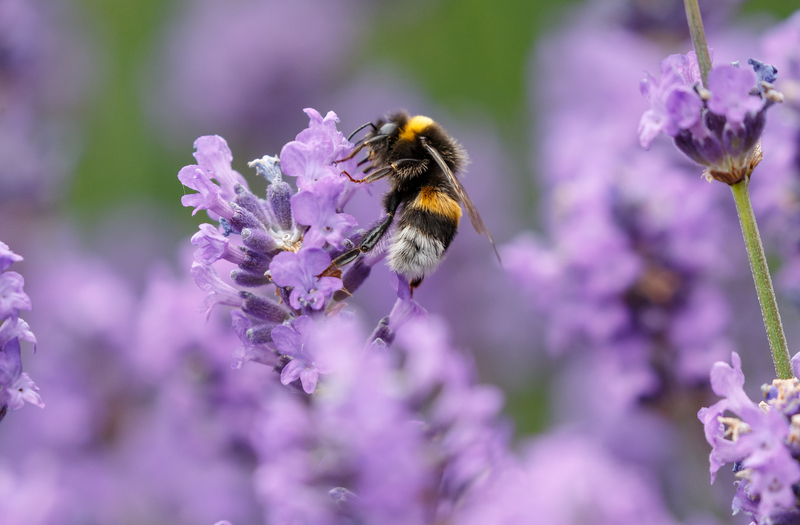
- Cultivate biodiversity and support pollinators
- Conserve water and soil with sustainable techniques
- Cool urban environments and mitigate heat islands
- Produce food locally, reducing transportation emissions
These actions directly support a cooler, healthier planet and empower gardeners to make a measurable difference.
Top Innovative Gardening Strategies for a Cooler Planet
1. Climate-Smart Plant Selection
Choosing the right plants for your zone is vital in innovative gardening for a cooler earth. Native and drought-resistant species require less water and care, while offering natural resilience to pests. Consider these factors:
- Select native plants that thrive in your local climate
- Integrate perennial vegetables to reduce annual tilling
- Opt for deep-rooted trees and shrubs for carbon sequestration
Tip: Planting deciduous trees on the south and west sides of your home cools your property naturally, lowering air-conditioning needs in summer and retaining warmth in winter.
2. Regenerative Soil Practices
Soil is a powerful carbon sink. Innovative gardeners embrace regenerative agriculture techniques to enhance organic matter and store more carbon in the soil. Methods include:
- No-till gardening: Preserves soil structure and retains carbon
- Cover cropping: Grows plants like clover or vetch in the off-season to enhance nutrients
- Composting: Diverts food scraps and yard waste from landfills and creates rich humus
- Using biochar to lock carbon in the soil for decades
By improving soil health, these innovative gardening techniques drastically reduce the need for chemical fertilizers and help stabilize the climate.
3. Water-Wise Gardening Innovations
Water scarcity is a pressing issue, especially in urban and arid regions. Innovative water management lies at the heart of gardening for a cooler world:
- Rainwater harvesting: Install barrels or cisterns to collect and reuse rainwater
- Drip irrigation: Delivers water directly to plants' roots, minimizing evaporation
- Poor soil draining? Create swales or rain gardens to slow and filter runoff
- Incorporate mulching to conserve moisture and suppress weeds
These methods save thousands of gallons yearly while keeping your garden lush and productive.
4. Urban Gardening to Combat Heat Islands
Urban heat islands develop when concrete and asphalt absorb heat, raising city temperatures by several degrees. Innovative gardening solutions play a critical role:
- Green roofs and living walls: Reduce rooftop temperatures and insulate buildings
- Vertical gardens: Maximize greenery in small spaces and filter urban air
- Plant shade trees along streets and public spaces for cooler microclimates
- Transform vacant lots into community gardens
Every green space adds up, lowering urban temperatures and improving city life.
5. Permaculture Principles: Working With Nature
Permaculture offers a framework for sustainable and innovative gardening that mimics natural ecosystems:
- Design self-sustaining landscapes using guilds of compatible plants
- Encourage natural predators to manage pests organically
- Use zone planning to group plants by water and sunlight needs
- Recycle onsite resources (leaves, sticks, rainwater)
Permaculture gardening fosters a closed-loop system, minimizing waste and enhancing environmental health.
Technological Innovations in Eco-Friendly Gardening
Smart Gardening Tools
The digital age empowers gardeners with smart tech for sustainability:
- Soil sensors: Monitor moisture, fertility, and temperature in real time
- Automated irrigation: Reduce water waste through app-controlled systems
- AI-powered plant health diagnostics using your phone's camera
- Solar-powered garden lights and pumps
Innovative gardeners are embracing these cutting-edge tools to optimize results and conserve precious resources.
Vertical and Hydroponic Systems
With urban space at a premium, vertical farming and hydroponics offer solutions for growing more with less:
- Vertical planters maximize yield per square foot
- Hydroponics eliminates soil and uses up to 90% less water
- Tower gardens and wall systems beautify and insulate indoor spaces
- Reduces transportation footprint by localizing food production
These innovative gardening systems are key allies in the mission for a cooler planet.
Community & Policy: Scaling Innovative Gardening for Global Impact
Building Greener Communities
Individual efforts are powerful, but collective action magnifies results. Community gardens, school initiatives, and neighborhood projects create:
- Accessible fresh produce
- Stronger local ecosystems
- Cooler, shaded public areas
- Environmental education opportunities
When adopted widely, these projects can cool entire cities and build resilience to climate impacts.
Policy Support and Urban Planning
Governments and city planners play a crucial role in spreading innovative gardening for climate action:
- Providing grants and incentives for green roofs and community gardens
- Integrating green space into urban design codes
- Supporting research on resilient plant species
- Investing in public gardening infrastructure
Policy and planning support are essential for maximizing gardening's environmental cooling benefits.
Gardening Innovatively: Step-by-Step Guide for Beginners
1. Assess Your Space
- Consider sunlight, wind, water access, and local soil conditions
- Map out areas for planting, composting, and rainwater collection
2. Plan for Biodiversity
- Choose a variety of native trees, shrubs, and pollinator-friendly flowers
- Include layers: tall trees, medium shrubs, ground covers, and roots
3. Build Healthy Soil
- Compost food and yard waste on-site
- Use mulch and cover crops to protect and enrich your soil
4. Set Up Water-Efficient Systems
- Install drip irrigation or soaker hoses linked to a smart timer
- Harvest rainwater and use it during dry periods
5. Scale Up Gradually
- Start with a small area and add more space each season
- Monitor what works best and adapt as needed
The Ripple Effects: How Innovative Gardening Cools the Planet
When practicing innovative gardening for a cooler world, the benefits extend far beyond your backyard:
- Reduces urban heat: More trees and plants lower local temperatures
- Improves air quality: Plants filter pollutants and sequester carbon dioxide
- Decreases runoff and soil erosion
- Strengthens food security and community resilience
- Supports mental health through connection with nature
Every innovative gardening action contributes to reversing climate trends and creating healthier, more vibrant communities worldwide.
Final Thoughts: Cultivating Hope Through Innovative Gardening
As the climate crisis intensifies, gardening innovatively for a cooler planet becomes both an act of hope and a driver of change. Whether you're transforming a city lot into a green oasis, adopting advanced tech tools, or simply choosing the right plants, your actions matter.
Get started today: Assess your gardening space, experiment with new techniques, and connect with local groups or online communities. Remember, every seed you plant is a step toward a more sustainable, cooler future for the planet.
Frequently Asked Questions about Innovative Gardening for Climate Action
- What plants are best for cooling my yard?
Native shade trees (like oaks and maples), dense shrubs, and ground covers are essential. Integrate a mix for best results. - How can I garden if I have very little space?
Try vertical gardening, hydroponic systems, and container gardens, or join a community garden nearby. - Are there grants or incentives for sustainable gardening?
Many cities offer rain barrel programs, tree-planting incentives, and funding for green roofs--check with your local government. - How much impact can one small garden make?
Every green space matters! A single garden can provide habitat, combat urban heat, and inspire neighbors to join in.
Start innovating in your garden today and join the global movement to cool our planet--one green space at a time.
Latest Posts
Cultivate a Vibrant Garden on a Tight Budget
A Winter Guide to Protecting Your Cherished Garden Plants
Cultivating Harmony: Create Relaxing Seating Areas in Your Garden